User:The Transhumanist
From Wikipedia, the free encyclopedia
- User page undergoing expansion/revamp. Please excuse the blank section until it is completed. Thank you.
Introduction

Hi. My name is The Transhumanist.
- As a transhumanist...
I love emerging and evolving technologies, and so...
I'm currently immersed in studying AI (particularly generative AI and reasoning engines), and big data.
I dabble in JavaScript, including writing user scripts from time to time.
My best user script so far, is SearchSuite...
SearchSuite provides further control over Wikipedia search results, such as on/off features to sort them, to present results one-per-line, and more. While it seems to work fairly well, there is definitely room for improvement. Comments and suggestions are welcome.
By the way, most of the scripts I've been working on are for building and augmenting outlines...
 | |
| Wikipedia ads | file info – #184 |
- As an encyclopedist...
I'm interested in all knowledge, especially how to organize it so you can find whatever is most relevant at any given moment.
I've been around Wikipedia since the Fall of 2005, and have been working mostly on Wikipedia's structure, and its knowledge navigation systems, throughout that time.
Selected articles that I've worked on
 Help may refer to: (Full article...)
- This article explains terms used for the British Armed Forces' ordnance (weapons) and ammunition. The terms may have different meanings depending on their usage in another country's military. (Full article...)

An EXCOMM meeting during the Cuban Missile Crisis, a crisis between the United States and Soviet Union over ballistic missiles in Cuba
A crisis (pl.: crises; ADJ: critical) is any event or period that will lead to an unstable and dangerous situation affecting an individual, group, or all of society. Crises are negative changes in the human or environmental affairs, especially when they occur abruptly, with little or no warning. More loosely, a crisis is a testing time for an emergency. (Full article...)
Cardiology (from Ancient Greek καρδίᾱ (kardiā) 'heart' and -λογία (-logia) 'study') is the study of the heart. Cardiology is a branch of medicine that deals with disorders of the heart and the cardiovascular system, and it is a sub-specialty of internal medicine. The field includes medical diagnosis and treatment of congenital heart defects, coronary artery disease, heart failure, valvular heart disease, and electrophysiology. Physicians who specialize in this field of medicine are called cardiologists. Pediatric cardiologists are pediatricians who specialize in cardiology. Physicians who specialize in cardiac surgery are called cardiothoracic surgeons or cardiac surgeons, a specialty of general surgery. (Full article...)- Emerging technologies are technologies whose development, practical applications, or both are still largely unrealized. These technologies are generally new but also include old technologies finding new applications. Emerging technologies are often perceived as capable of changing the status quo.
Emerging technologies are characterized by radical novelty (in application even if not in origins), relatively fast growth, coherence, prominent impact, and uncertainty and ambiguity.
Emerging technologies include a variety of technologies such as information technology, nanotechnology, biotechnology, robotics, and artificial intelligence. New technological fields may result from the technological convergence of different systems evolving towards similar goals. Convergence brings previously separate technologies such as voice (and telephony features), data (and productivity applications) and video together so that they share resources and interact with each other, creating new efficiencies.
Emerging technologies are those technical innovations which represent progressive developments within a field for competitive advantage; converging technologies represent previously distinct fields which are in some way moving towards stronger inter-connection and similar goals. However, the opinion on the degree of the impact, status and economic viability of several emerging and converging technologies varies. (Full article...) 
Figure 1. Compliant bonding a gold wire (Click to enlarge view)
Compliant bonding is used to connect gold wires to electrical components such as integrated circuit "chips". It was invented by Alexander Coucoulas in the 1960s. The bond is formed well below the melting point of the mating gold surfaces and is therefore referred to as a solid-state type bond. The compliant bond is formed by transmitting heat and pressure to the bond region through a relatively thick indentable or compliant medium, generally an aluminum tape (Figure 1). (Full article...)- Friendly artificial intelligence (friendly AI or FAI) is hypothetical artificial general intelligence (AGI) that would have a positive (benign) effect on humanity or at least align with human interests such as fostering the improvement of the human species. It is a part of the ethics of artificial intelligence and is closely related to machine ethics. While machine ethics is concerned with how an artificially intelligent agent should behave, friendly artificial intelligence research is focused on how to practically bring about this behavior and ensuring it is adequately constrained. (Full article...)
- Artificial consciousness, also known as machine consciousness, synthetic consciousness, or digital consciousness, is consciousness hypothesized to be possible for artificial intelligence. It is also the corresponding field of study, which draws insights from philosophy of mind, philosophy of artificial intelligence, cognitive science and neuroscience.
The term "sentience" can be used when specifically designating ethical considerations stemming from a form of phenomenal consciousness (P-consciousness, or the ability to feel qualia). Since sentience involves the ability to experience ethically positive or negative (i.e., valenced) mental states, it may justify welfare concerns and legal protection, as with non-human animals.
Some scholars believe that consciousness is generated by the interoperation of various parts of the brain; these mechanisms are labeled the neural correlates of consciousness (NCC). Some further believe that constructing a system (e.g., a computer system) that can emulate this NCC interoperation would result in a system that is conscious. Some scholars reject the possibility of non-biological conscious beings. (Full article...) - Prehistoric technology is technology that predates recorded history. History is the study of the past using written records. Anything prior to the first written accounts of history is prehistoric, including earlier technologies. About 2.5 million years before writing was developed, technology began with the earliest hominids who used stone tools, which they first used to hunt food, and later to cook.
There are several factors that made the evolution of prehistoric technology possible or necessary. One of the key factors is behavioral modernity of the highly developed brain of Homo sapiens capable of abstract reasoning, language, introspection, and problem-solving. The advent of agriculture resulted in lifestyle changes from nomadic lifestyles to ones lived in homes, with domesticated animals, and land farmed using more varied and sophisticated tools. Art, architecture, music and religion evolved over the course of the prehistoric periods. (Full article...) - A revenue model is a framework for generating financial income. There can be a variety of ways for revenue generation such as the production model, manufacturing model, as well as the construction model. A revenue model identifies which revenue source to pursue, what value to offer, how to price the value, and who pays for the value. It is a key component of a company's business model. A revenue model primarily identifies what product or service will be created and sold in order to generate revenues.
Without a clear and well-defined revenue model new businesses will be more likely to struggle. By having a clear revenue model, a business can focus on a target audience, fund development plans for a product or service, establish marketing plans, open a line of credit and raise capital. (Full article...) - The branches of science, also referred to as sciences, scientific fields or scientific disciplines, are commonly divided into three major groups:
- Formal sciences: the study of formal systems, such as those under the branches of logic and mathematics, which use an a priori, as opposed to empirical, methodology. They study abstract structures described by formal systems.
- Natural sciences: the study of natural phenomena (including cosmological, geological, physical, chemical, and biological factors of the universe). Natural science can be divided into two main branches: physical science and life science.
- Social sciences: the study of human behavior in its social and cultural aspects.
Scientific knowledge must be grounded in observable phenomena and must be capable of being verified by other researchers working under the same conditions.
Natural, social, and formal science make up the basic sciences, which form the basis of interdisciplinarity - and applied sciences such as engineering and medicine. Specialized scientific disciplines that exist in multiple categories may include parts of other scientific disciplines but often possess their own terminologies and expertises. (Full article...) 
A depiction of Idris visiting Heaven and Hell from a Persian illuminated manuscript version of the Islamic text Stories of the Prophets (1577)
The afterlife or life after death is a speculation concerning existence after death, in which the essential part of an individual's stream of consciousness or identity continues to exist after the death of their physical body. The surviving essential aspect varies between belief systems; it may be some partial element, or the entire soul or spirit, which carries with it one's personal identity.
In some views, this continued existence takes place in a spiritual realm, while in others, the individual may be reborn into this world and begin the life cycle over again in a process referred to as reincarnation, likely with no memory of what they have done in the past. In this latter view, such rebirths and deaths may take place over and over again continuously until the individual gains entry to a spiritual realm or otherworld. Major views on the afterlife derive from religion, esotericism, and metaphysics.
Some belief systems, such as those in the Abrahamic tradition, hold that the dead go to a specific place (e.g., paradise or hell) after death, as determined by their god, based on their actions and beliefs during life. In contrast, in systems of reincarnation, such as those of the Indian religions, the nature of the continued existence is determined directly by the actions of the individual in the ended life. (Full article...)- A block is a defensive tactic in chess in response to an attack, consisting of interposing a piece between the opponent's attacking piece and the piece being attacked. This type of blocking will only work if the attacking piece is a type that can move linearly an indefinite number of squares such as a queen, rook, or bishop and there is at least one empty square in the line between the attacking and attacked piece. Blocking is not an option when the attacking piece is directly adjacent to the piece it is attacking, or when the attacking piece is a knight (because knights "jump over other pieces" and cannot be blocked). When an opponent's attack on a piece is blocked, the blocking piece is to some extent pinned, either relatively or absolutely, until a future move by either side allows it to be unpinned.
A check on a king by an opponent's queen, rook, or bishop can sometimes be blocked by moving a piece to a square in line in between the opponent's checking piece and the checked king. The blocking piece is then absolutely pinned to the king by the attacking piece.
Another type of interposing in chess can involve placing a piece between two opponent's pieces where one of those pieces is protecting the other, or they are both protecting each other. This chess tactic can be called interference. (Full article...) - The meaning of life is the concept of an individual's life, human life, or existence in general having an inherent significance or a philosophical point. There is no consensus on the specifics of such a concept, or whether the concept itself even exists in any objective sense. Thinking and discourse on the topic is sought in the English language through questions such as—but not limited to—"What is the meaning of life?", "What is the purpose of existence?", and "Why are we here?". There have been many proposed answers to these questions from many different cultural and ideological backgrounds. The search for life's meaning has produced much philosophical, scientific, theological, and metaphysical speculation throughout history. Different people and cultures believe different things for the answer to this question. Opinions vary on the usefulness of using time and resources in the pursuit of an answer. Excessive pondering can be indicative of, or lead to, an existential crisis.
The meaning of life can be derived from philosophical and religious contemplation of, and scientific inquiries about, existence, social ties, consciousness, and happiness. Many other issues are also involved, such as symbolic meaning, ontology, value, purpose, ethics, good and evil, free will, the existence of one or multiple gods, conceptions of God, the soul, and the afterlife. Scientific contributions focus primarily on describing related empirical facts about the universe, exploring the context and parameters concerning the "how" of life. Science also studies and can provide recommendations for the pursuit of well-being and a related conception of morality. An alternative, humanistic approach poses the question, "What is the meaning of my life?" (Full article...) - Web scraping, web harvesting, or web data extraction is data scraping used for extracting data from websites. Web scraping software may directly access the World Wide Web using the Hypertext Transfer Protocol or a web browser. While web scraping can be done manually by a software user, the term typically refers to automated processes implemented using a bot or web crawler. It is a form of copying in which specific data is gathered and copied from the web, typically into a central local database or spreadsheet, for later retrieval or analysis.
Scraping a web page involves fetching it and then extracting data from it. Fetching is the downloading of a page (which a browser does when a user views a page). Therefore, web crawling is a main component of web scraping, to fetch pages for later processing. Having fetched, extraction can take place. The content of a page may be parsed, searched and reformatted, and its data copied into a spreadsheet or loaded into a database. Web scrapers typically take something out of a page, to make use of it for another purpose somewhere else. An example would be finding and copying names and telephone numbers, companies and their URLs, or e-mail addresses to a list (contact scraping). Another example is collecting competitors’ product prices for marketing purposes.
Contact scraping is a type of web scraping that is used as a component of applications used for web indexing, web mining and data mining, online price change monitoring and price comparison, product review scraping (to watch the competition), gathering real estate listings, weather data monitoring, website change detection, research, tracking online presence and reputation, web mashup, and web data integration.
Web pages are built using text-based markup languages (HTML and XHTML), and frequently contain a wealth of useful data in text form. However, most web pages are designed for human end-users and not for ease of automated use. As a result, specialized tools and software have been developed to facilitate the scraping of web pages. Web scraping applications include market research, price comparison, content monitoring and artificial intelligence. Businesses rely on web scraping services to efficiently gather and utilize this data. (Full article...) - In futures studies and the history of technology, accelerating change is the observed exponential nature of the rate of technological change in recent history, which may suggest faster and more profound change in the future and may or may not be accompanied by equally profound social and cultural change. (Full article...)
- The technological singularity, often simply called the singularity, is a hypothetical event in which technological growth accelerates beyond human control, producing unpredictable changes in human civilization. According to the most popular version of the singularity hypothesis, I. J. Good's intelligence explosion model of 1965, an upgradable intelligent agent could eventually enter a positive feedback loop of successive self-improvement cycles; more intelligent generations would appear more and more rapidly, causing an explosive increase in intelligence that culminates in a powerful superintelligence, far surpassing human intelligence.
Some scientists, including Stephen Hawking, have expressed concern that artificial superintelligence could result in human extinction. The consequences of a technological singularity and its potential benefit or harm to the human species have been intensely debated.
Prominent technologists and academics dispute the plausibility of a technological singularity and associated artificial intelligence "explosion", including Paul Allen, Jeff Hawkins, John Holland, Jaron Lanier, Steven Pinker, Theodore Modis, Gordon Moore, and Roger Penrose. One claim is that artificial intelligence growth is likely to run into decreasing returns instead of accelerating ones. Stuart J. Russell and Peter Norvig observe that in the history of technology, improvement in a particular area tends to follow an S curve: it begins with accelerating improvement, then levels off without continuing upward into a hyperbolic singularity. (Full article...) - An AI takeover is a fictional or hypothetical future event in which autonomous artificial intelligence systems acquire the capability to override human decision-making. This could be achieved through economic manipulation, infrastructure control, or direct intervention, resulting in de facto governance. Scenarios range from economic dominance by way of the replacement of the entire human workforce due to automation to the violent takeover of the world by a robot uprising or rogue AI.
Stories of AI takeovers have been popular throughout science fiction. Commentators argue that recent advancements in the field have heightened concern about such scenarios. In public debate, prominent figures such as Stephen Hawking have advocated research into precautionary measures to ensure future superintelligent machines remain under human control. (Full article...) - This glossary of philosophy is a list of definitions of terms and concepts relevant to philosophy and related disciplines, including logic, ethics, and theology. (Full article...)

World population growth, 1700–2100 (2024 projection)
Human overpopulation or human population overshoot is the condition in which human populations may become too large to be sustained by their environment or resources in the long term. Human overpopulation or population overshoot is usually discussed in the context of world population, though it may concern individual nations, regions, and cities.
Since 1804, the global living human population has increased from 1 billion to 8 billion due to medical advancements and improved agricultural productivity. Annual world population growth peaked at 2.1% in 1968 and has since dropped to 1.1%. According to the most recent United Nations' projections, the global human population is expected to reach 9.7 billion in 2050 and would peak at around 10.4 billion people in the 2080s, before decreasing, noting that fertility rates are falling worldwide. Other models agree that the population will stabilize before or after 2100. Conversely, some researchers analyzing national birth registries data from 2022 and 2023—which cover half the world's population—argue that the 2022 UN projections overestimated fertility rates by 10 to 20% and were already outdated by 2024. They suggest that the global fertility rate may have already fallen below the sub-replacement fertility level for the first time in human history and that the global population will peak at approximately 9.5 billion by 2061. The 2024 UN projections report estimated that world population would peak at 10.29 billion in 2084 and decline to 10.18 billion by 2100, which was 6% lower than the UN had estimated in 2014.
Early discussions of overpopulation in English were spurred by the work of Thomas Malthus. Discussions of overpopulation follow a similar line of inquiry as Malthusianism and its Malthusian catastrophe, a hypothetical event where population exceeds agricultural capacity, causing famine or war over resources, resulting in poverty and environmental collapses. More recent discussion of overpopulation was popularized by Paul Ehrlich in his 1968 book The Population Bomb and subsequent writings. Ehrlich described overpopulation as a function of overconsumption, arguing that overpopulation should be defined by a population being unable to sustain itself without depleting non-renewable resources.
The belief that global population levels will become too large to sustain is a point of contentious debate. Those who believe global human overpopulation to be a valid concern argue that increased levels of resource consumption and pollution exceed the environment's carrying capacity, leading to population overshoot. The population overshoot hypothesis is often discussed in relation to other population concerns such as population momentum, biodiversity loss, hunger and malnutrition, resource depletion, and the overall human impact on the environment. (Full article...)- The Library of Congress Classification (LCC) is a system of library classification developed by the Library of Congress in the United States, which can be used for shelving books in a library. LCC is mainly used by large research and academic libraries, while most public libraries and small academic libraries use the Dewey Decimal Classification system, which was first published in the U.S. by Melvil Dewey in 1876. LCC was developed in 1897 by James Hanson (chief of the Catalog Department), with assistance from Charles Martel while they were working at the Library of Congress. It was designed specifically for the purposes and collection of the Library of Congress, to replace the fixed location system developed by Thomas Jefferson.
LCC has been criticized for lacking a sound theoretical basis; many of the classification decisions were driven by the practical needs of that library rather than epistemological considerations. Although it divides subjects into broad categories, it is essentially enumerative in nature. That is, it provides a guide to the books actually in one library's collections, not a classification of the world. (Full article...) 
Programmable Universal Machine for Assembly, one of the first industrial robots (1990)
Robotics is the interdisciplinary study and practice of the design, construction, operation, and use of robots. A roboticist is someone who specializes in robotics. Robotics usually combines four aspects of design work: a power source (e.g. a battery), mechanical construction, a control system (electrical circuits), and software (run by remote control or artificial intelligence).
The goal of most robotics is to design machines that can assist humans in various fields, such as agriculture, construction, domestic work, food processing, inventory management, manufacturing, medicine, military, mining, space exploration, and transportation.
Robots impact humans by displacing workers. Some expect this to occur at an increasing rate, leading to proposed solutions such as basic income. Robotics is itself a lucrative business that creates careers, especially for postgraduates. Roboticists often aim to create machines that seem to interface naturally with humans. The field is under active research and development, with areas of interest including robot kinematics and quantum robotics. (Full article...)- In geography and particularly in geographic information science, a geographic feature or simply feature (also called an object or entity) is a representation of phenomenon that exists at a location in the space and scale of relevance to geography; that is, at or near the surface of Earth. It is an item of geographic information, and may be represented in maps, geographic information systems, remote sensing imagery, statistics, and other forms of geographic discourse. Such representations of phenomena consist of descriptions of their inherent nature, their spatial form and location, and their characteristics or properties. (Full article...)
Athlete's foot, known medically as tinea pedis, is a common skin infection of the feet caused by a fungus. Signs and symptoms often include itching, scaling, cracking and redness. In rare cases the skin may blister. Athlete's foot fungus may infect any part of the foot, but most often grows between the toes. The next most common area is the bottom of the foot. The same fungus may also affect the nails or the hands. It is a member of the group of diseases known as tinea.
Athlete's foot is caused by a number of different funguses, including species of Trichophyton, Epidermophyton, and Microsporum. The condition is typically acquired by coming into contact with infected skin, or fungus in the environment. Common places where the fungi can survive are around swimming pools and in locker rooms. They may also be spread from other animals. Usually diagnosis is made based on signs and symptoms; however, it can be confirmed either by culture or seeing hyphae using a microscope.
Athlete's foot is not limited to just athletes: it can be caused by going barefoot in public showers, letting toenails grow too long, wearing shoes that are too tight, or not changing socks daily. It can be treated with topical antifungal medications such as clotrimazole or, for persistent infections, using oral antifungal medications such as terbinafine. Topical creams are typically recommended to be used for four weeks. Keeping infected feet dry and wearing sandals also assists with treatment.
Athlete's foot was first medically described in 1908. Globally, athlete's foot affects about 15% of the population. Males are more often affected than females. It occurs most frequently in older children or younger adults. Historically it is believed to have been a rare condition that became more frequent in the 20th century due to the greater use of shoes, health clubs, war, and travel. (Full article...)
Moore's law is an example of futurology; it is a statistical collection of past and present trends with the goal of accurately extrapolating future trends.
Futures studies, futures research or futurology is the systematic, interdisciplinary and holistic study of social and technological advancement, and other environmental trends, often for the purpose of exploring how people will live and work in the future. Predictive techniques, such as forecasting, can be applied, but contemporary futures studies scholars emphasize the importance of systematically exploring alternatives. In general, it can be considered as a branch of the social sciences and an extension to the field of history. Futures studies (colloquially called "futures" by many of the field's practitioners) seeks to understand what is likely to continue and what could plausibly change. Part of the discipline thus seeks a systematic and pattern-based understanding of past and present, and to explore the possibility of future events and trends.
Unlike the physical sciences where a narrower, more specified system is studied, futurology concerns a much bigger and more complex world system. The methodology and knowledge are much less proven than in natural science and social sciences like sociology and economics. There is a debate as to whether this discipline is an art or science, and it is sometimes described as pseudoscience; nevertheless, the Association of Professional Futurists was formed in 2002, developing a Foresight Competency Model in 2017, and it is now possible to study it academically, for example at the FU Berlin in their master's course. To encourage inclusive and cross-disciplinary discussions about futures studies, UNESCO declared December 2 as World Futures Day. (Full article...)


Selected emerging technologies and related articles
- Ethics of nanotechnology is the study of the ethical issues emerging from advances in nanotechnology and its impacts.
According to Andrew Chen, ethical concerns about nanotechnologies should include the possibility of their military applications, the dangers posed by self-replicant nanomachines, and their use for surveillance monitoring and tracking. Risks to environment to public health are treated in a report from the Dutch National Institute for Public Health and the Environment as well as is a report of the European Environment Agency. Academic works on ethics of nanotechnology can be found in the journal Nanoethics. (Full article...) 
A researcher using a virtual reality headset in 2017
A simulated reality is an approximation of reality created in a simulation, usually in a set of circumstances in which something is engineered to appear real when it is not.
Most concepts invoking a simulated reality relate to some form of computer simulation, whether through the creation of a virtual reality that creates appearance of being in a real world, or a theoretical process like mind uploading, in which a mind could be uploaded into a computer simulation. A digital twin is a simulation of a real thing, created for purposes such as testing engineering outcomes. (Full article...)- Quantum cryptography is the science of exploiting quantum mechanical properties such as quantum entanglement, measurement disturbance, no-cloning theorem, and the principle of superposition to perform various cryptographic tasks. Historically defined as the practice of encoding messages, a concept now referred to as encryption, quantum cryptography plays a crucial role in the secure processing, storage, and transmission of information across various domains.
One aspect of quantum cryptography is quantum key distribution (QKD), which offers an information-theoretically secure solution to the key exchange problem. The advantage of quantum cryptography lies in the fact that it allows the completion of various cryptographic tasks that are proven or conjectured to be impossible using only classical (i.e. non-quantum) communication. Furthermore, quantum cryptography affords the authentication of messages, which allows the legitimates parties to prove that the messages were not wiretapped during transmission. For example, in a cryptographic set-up, it is impossible to copy with perfect fidelity, the data encoded in a quantum state.[page needed] If one attempts to read the encoded data, the quantum state will be changed due to wave function collapse (no-cloning theorem). This could be used to detect eavesdropping in QKD schemes, or in quantum communication links and networks. These advantages have significantly influenced the evolution of quantum cryptography, making it practical in today's digital age, where devices are increasingly interconnected and cyberattacks have become more sophisticated. As such quantum cryptography is a critical component in the advancement of a quantum internet, as it establishes robust mechanisms to ensure the long-term privacy and integrity of digital communications and systems. (Full article...)
Joint replacement is a procedure of orthopedic surgery known also as arthroplasty, in which an arthritic or dysfunctional joint surface is replaced with an orthopedic prosthesis. Joint replacement is considered as a treatment when severe joint pain or dysfunction is not alleviated by less-invasive therapies. Joint replacement surgery is often indicated from various joint diseases, including osteoarthritis and rheumatoid arthritis.
Joint replacement has become more common, mostly with knee and hip replacements. About 773,000 Americans had a hip or knee replaced in 2009. (Full article...)- Biometrics are body measurements and calculations related to human characteristics and features. Biometric authentication (or realistic authentication) is used in computer science as a form of identification and access control. It is also used to identify individuals in groups that are under surveillance.
Biometric identifiers are the distinctive, measurable characteristics used to label and describe individuals. Biometric identifiers are often categorized as physiological characteristics which are related to the shape of the body. Examples include, but are not limited to fingerprint, palm veins, face recognition, DNA, palm print, hand geometry, iris recognition, retina, odor/scent, voice, shape of ears and gait. Behavioral characteristics are related to the pattern of behavior of a person, including but not limited to mouse movement, typing rhythm, gait, signature, voice, and behavioral profiling. Some researchers have coined the term behaviometrics (behavioral biometrics) to describe the latter class of biometrics. (Full article...) - Hypothetical technology is technology that does not exist yet, but that could exist in the future. This article presents examples of technologies that have been hypothesized or proposed, but that have not been developed yet. An example of hypothetical technology is teleportation. (Full article...)
- A thermoelectric generator (TEG), also called a Seebeck generator, is a solid state device that converts heat (driven by temperature differences) directly into electrical energy through a phenomenon called the Seebeck effect (a form of thermoelectric effect). Thermoelectric generators function like heat engines, but are less bulky and have no moving parts. However, TEGs are typically more expensive and less efficient. When the same principle is used in reverse to create a heat gradient from an electric current, it is called a thermoelectric (or Peltier) cooler.
Thermoelectric generators could be used in power plants and factories to convert waste heat into additional electrical power and in automobiles as automotive thermoelectric generators (ATGs) to increase fuel efficiency. Radioisotope thermoelectric generators use radioisotopes to generate the required temperature difference to power space probes. Thermoelectric generators can also be used alongside solar panels. (Full article...) - Thyristor RAM (T-RAM) is a type of random-access memory dating from 2009 invented and developed by T-RAM Semiconductor, which departs from the usual designs of memory cells, combining the strengths of the DRAM and SRAM: high density and high speed. This technology, which exploits the electrical property known as negative differential resistance and is called thin capacitively-coupled thyristor, is used to create memory cells capable of very high packing densities. Due to this, the memory is highly scalable, and already has a storage density that is several times higher than found in conventional 6T SRAM. It was expected that the next generation of T-RAM memory will have the same density as DRAM.
This technology exploits the electrical property known as negative differential resistor and is characterized by the way in which its memory cells are built, combining DRAM efficiency in terms of space with that of SRAM in terms of speed. Very similar to the current 6T-SRAM, or SRAM memories with 6 cell transistors, is substantially different because the SRAM latch CMOS, consisting of 4 of the 6 transistors of each cell, is replaced by a bipolar latch PNP -NPN of a single Thyristor. The result is to significantly reduce the area occupied by each cell, thus obtaining a highly scalable memory that has already reached storage density several times higher than the current SRAM. (Full article...) - EXACTO, an acronym of "Extreme Accuracy Tasked Ordnance", is a sniper rifle firing smart bullets being developed for DARPA (Defense Advanced Research Projects Agency) by Lockheed Martin and Teledyne Scientific & Imaging in November 2008.
The new .50 BMG gun and improved scope could employ "fire-and-forget" technologies including "fin-stabilized projectiles, spin-stabilized projectiles, internal and/or external aero-actuation control methods, projectile guidance technologies, tamper proofing, small stable power supplies, and advanced sighting, optical resolution and clarity technologies". Its estimated availability at the time was 2015. (Full article...) - Synthetic media is digital content in various media formats, including text, image, and video, which has been automatically and artificially produced or manipulated. Although not all synthetic media is AI-generated, it often refers to the use of generative AI to produce content, such as deepfakes, through the use of artificial intelligence within a set of human-prompted parameters.
Synthetic media as a field has grown rapidly since the creation of generative adversarial networks, primarily through the rise of deepfakes as well as music synthesis, text generation, human image synthesis, speech synthesis, and more. Though experts use the term "synthetic media," individual methods such as deepfakes and text synthesis are sometimes not referred to as such by the media but instead by their respective terminology (and often use "deepfakes" as a euphemism, e.g. "deepfakes for text" for natural-language generation; "deepfakes for voices" for neural voice cloning, etc.) Significant attention arose towards the field of synthetic media starting in 2017 when Motherboard reported on the emergence of AI altered pornographic videos to insert the faces of famous actresses. Potential hazards of synthetic media include the spread of misinformation, further loss of trust in institutions such as media and government, the mass automation of creative and journalistic jobs and a retreat into AI-generated fantasy worlds. Synthetic media is an applied form of artificial imagination. (Full article...) 
A 93-year-old man from Pichilemu, Chile
Old age is the range of ages for people nearing and surpassing life expectancy. People of old age are called old people, old-timers, the elderly, elders, senior citizens, seniors, or older adults. Old age is not a definite biological stage: the chronological age denoted as "old age" varies culturally and historically. Some disciplines and domains focus on the aging and the aged, such as the organic processes of aging (senescence), medical studies of the aging process (gerontology), diseases that afflict older adults (geriatrics), technology to support the aging society (gerontechnology), and leisure and sport activities adapted to older people (such as senior sport).
Old people often have limited regenerative abilities and are more susceptible to illness and injury than younger adults. They face social problems related to retirement, loneliness, and ageism. (Full article...)
NASA Integrated Symmetrical Concentrator SPS concept
Space-based solar power (SBSP or SSP) is the concept of collecting solar power in outer space with solar power satellites (SPS) and distributing it to Earth. Its advantages include a higher collection of energy due to the lack of reflection and absorption by the atmosphere, the possibility of very little night, and a better ability to orient to face the Sun. Space-based solar power systems convert sunlight to some other form of energy (such as microwaves) which can be transmitted through the atmosphere to receivers on the Earth's surface.
Solar panels on spacecraft have been in use since 1958, when Vanguard I used them to power one of its radio transmitters; however, the term (and acronyms) above are generally used in the context of large-scale transmission of energy for use on Earth. (Full article...)
Typical cathode-ray tube (CRT) gamut
The grayed-out horseshoe shape is the entire range of possible chromaticities, displayed in the CIE 1931 chromaticity diagram format (see below). The colored triangle is the gamut available to the sRGB color space typically used in computer monitors; it does not cover the entire space. The corners of the triangle are the primary colors for this gamut; in the case of a CRT, they depend on the colors of the phosphors of the monitor. At each point, the brightest possible RGB color of that chromaticity is shown, resulting in the bright Mach band stripes corresponding to the edges of the RGB color cube.
In color reproduction and colorimetry, a gamut, or color gamut /ˈɡæmət/, is a convex set containing the colors that can be accurately represented, i.e. reproduced by an output device (e.g. printer or display) or measured by an input device (e.g. camera or visual system). Devices with a larger gamut can represent more colors. Similarly, gamut may also refer to the colors within a defined color space, which is not linked to a specific device. A trichromatic gamut is often visualized as a color triangle. A less common usage defines gamut as the subset of colors contained within an image, scene or video. (Full article...)- Digital image processing is the use of a digital computer to process digital images through an algorithm. As a subcategory or field of digital signal processing, digital image processing has many advantages over analog image processing. It allows a much wider range of algorithms to be applied to the input data and can avoid problems such as the build-up of noise and distortion during processing. Since images are defined over two dimensions (perhaps more), digital image processing may be modeled in the form of multidimensional systems. The generation and development of digital image processing are mainly affected by three factors: first, the development of computers; second, the development of mathematics (especially the creation and improvement of discrete mathematics theory); and third, the demand for a wide range of applications in environment, agriculture, military, industry and medical science has increased. (Full article...)
- KiteGen is a concept for a wind harnessing machine for high altitude winds, developed in Italy. The vertical axis rotation is intended to eliminate the static and dynamic problems that limit the size of conventional wind turbines. The prototype STEM yo-yo is under construction at Berzano di San Pietro in Italy. (Full article...)
- Conventional Prompt Strike (CPS), formerly called Prompt Global Strike (PGS), is a United States military effort to develop a system that can deliver a precision-guided conventional weapon strike anywhere in the world within one hour, in a similar manner to a nuclear ICBM. Such a weapon would allow the United States to respond far more swiftly to rapidly emerging threats than is possible with conventional forces. A CPS system could also be useful during a nuclear conflict, potentially replacing the use of nuclear weapons against up to 30% of targets. The CPS program encompasses numerous established and emerging technologies, including conventional surface-launched missiles and air- and submarine-launched hypersonic missiles. (Full article...)

A deployment of Bloom Energy Servers outside eBay headquarters
The Bloom Energy Server or Bloom Box is a solid oxide fuel cell (SOFC) power generator made by Bloom Energy, of Sunnyvale, California, that takes a variety of input fuels, including liquid or gaseous hydrocarbons produced from biological sources, to produce electricity at or near the site where it will be used. It withstands temperatures of up to 1,800 °F (980 °C). According to the company, a single cell (one 100 mm × 100 mm plate consisting of three ceramic layers) generates 25 watts.
The fuel cells have an operational life expectancy of around 10 years; based on predictions on fuel costs, the "break even" point for those who purchase the device is around 8 years. The cell's technology continues to rely on non-renewable sources of energy to produce electricity, and because it is not a hydrogen fuel cell, it still produces carbon dioxide (an important greenhouse gas) during operation. As the carbon dioxide effluent from the anode is not mixed with the oxygen depleted air coming off the cathode, only water and unconsumed fuel, it can be separated for sequestration or other non-atmospheric disposition by simply cooling the exhaust stream. (Full article...)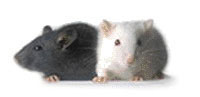
Knockout mice
Genetic engineering is an important tool for natural scientists, with the creation of transgenic organisms one of the most important tools for the analysis of gene function. Genes and other genetic information from a wide range of organisms can be inserted into bacteria for storage and modification, creating genetically modified bacteria in the process
. Bacteria are cheap, easy to grow, clonal, multiply quickly, relatively easy to transform, and can be stored at -80 °C almost indefinitely. Once a gene is isolated, it can be stored inside the bacteria, providing an unlimited supply for research.
Organisms are genetically engineered to discover the functions of certain genes. This could be the effect on the phenotype of the organism, where the gene is expressed or what other genes it interacts with. These experiments generally involve loss of function, gain of function, tracking, and expression. (Full article...)- * When insulin pump technology is combined with a continuous blood glucose monitoring system, the technology seems promising for real time control of the blood sugar level. Currently there are no mature algorithms to automatically control the insulin delivery based on feedback of the blood glucose level. When the loop is closed, the system may function as an artificial pancreas.
- Insulin pumps are being used for infusing pramlintide (brand name Symlin, or synthetic amylin) with insulin for improved postprandial glycemic control compared to insulin alone.
- Dual hormone insulin pumps that infuse either insulin or glucagon. In event of hypoglycemia, the glucagon could be triggered to increase the blood glucose. This would be particularly valuable in a closed loop system under the control of a glucose sensor. The Artificial Pancreas, currently in clinical trials for FDA approval, is a recently developed device designed with this technology in mind.
- Ultrafast insulins. These insulins are absorbed more quickly than the currently available Humalog, Novolog, and Apidra which have a peak at about 60 minutes. Faster insulin uptake would theoretically coordinate with meals better, and allow faster recovery from hyperglycemia if the insulin infusion is suspended. Biodel is developing an ultrafast insulin
- A vactrain (short for vacuum tube train) is a type of high-speed transport system where vehicles travel through partially evacuated tubes or tunnels. By operating in a partial vacuum, air resistance is drastically reduced, allowing for higher speeds than conventional ground transportation, theoretically up to 4,000 km/h (2,500 mph).
Vactrains have been proposed from 1906, and developed as scale models since 1917.. (Full article...) - Plasma gasification is a thermal process that converts organic matter into a syngas (synthesis gas) which is primarily made up of hydrogen and carbon monoxide. A plasma torch powered by an electric arc ionizes gas and transforms organic matter into syngas, producing slag as a byproduct. It is used commercially as a form of waste treatment. It has been tested for the gasification of refuse-derived fuel, biomass, industrial waste, hazardous waste, and solid hydrocarbons, such as coal, oil sands, petcoke, and oil shale. (Full article...)

Colloidal quantum dots irradiated with a UV light. Differently sized quantum dots emit different colors of light due to quantum confinement.
Quantum dots (QDs) or semiconductor nanocrystals are semiconductor particles a few nanometres in size with optical and electronic properties that differ from those of larger particles via quantum mechanical effects. They are a central topic in nanotechnology and materials science. When a quantum dot is illuminated by UV light, an electron in the quantum dot can be excited to a state of higher energy. In the case of a semiconducting quantum dot, this process corresponds to the transition of an electron from the valence band to the conduction band. The excited electron can drop back into the valence band releasing its energy as light. This light emission (photoluminescence) is illustrated in the figure on the right. The color of that light depends on the energy difference between the discrete energy levels of the quantum dot in the conduction band and the valence band.
In other words, a quantum dot can be defined as a structure on a semiconductor which is capable of confining electrons in three dimensions, enabling the ability to define discrete energy levels. The quantum dots are tiny crystals that can behave as individual atoms, and their properties can be manipulated. (Full article...)
Taxonomy of money, based on "Central bank cryptocurrencies" by Morten Linnemann Bech and Rodney Garratt
Digital currency (digital money, electronic money or electronic currency) is any currency, money, or money-like asset that is primarily managed, stored or exchanged on digital computer systems, especially over the internet. Types of digital currencies include cryptocurrency, virtual currency and central bank digital currency. Digital currency may be recorded on a distributed database on the internet, a centralized electronic computer database owned by a company or bank, within digital files or even on a stored-value card.
Digital currencies exhibit properties similar to traditional currencies, but generally do not have a classical physical form of fiat currency historically that can be held in the hand, like currencies with printed banknotes or minted coins. However, they do have a physical form in an unclassical sense coming from the computer to computer and computer to human interactions and the information and processing power of the servers that store and keep track of money. This unclassical physical form allows nearly instantaneous transactions over the internet and vastly lowers the cost associated with distributing notes and coins: for example, of the types of money in the UK economy, 3% are notes and coins, and 79% as electronic money (in the form of bank deposits). Usually not issued by a governmental body, virtual currencies are not considered a legal tender and they enable ownership transfer across governmental borders. (Full article...)- Software-defined radio (SDR) is a radio communication system where components that conventionally have been implemented in analog hardware (e.g. mixers, filters, amplifiers, modulators, demodulators, detectors, etc.) are instead implemented by means of software on a computer or embedded system.
A basic SDR system may consist of a computer equipped with a sound card, or other analog-to-digital converter, preceded by some form of RF front end. Significant amounts of signal processing are handed over to the general-purpose processor, rather than being done in special-purpose hardware (electronic circuits). Such a design produces a radio which can receive and transmit widely different radio protocols (sometimes referred to as waveforms) based solely on the software used. (Full article...)
Visual or vision impairment (VI or VIP) is the partial or total inability of visual perception. In the absence of treatment such as corrective eyewear, assistive devices, and medical treatment, visual impairment may cause the individual difficulties with normal daily tasks, including reading and walking. The terms low vision and blindness are often used for levels of impairment which are difficult or impossible to correct and significantly impact daily life. In addition to the various permanent conditions, fleeting temporary vision impairment, amaurosis fugax, may occur, and may indicate serious medical problems.
The most common causes of visual impairment globally are uncorrected refractive errors (43%), cataracts (33%), and glaucoma (2%). Refractive errors include near-sightedness, far-sightedness, presbyopia, and astigmatism. Cataracts are the most common cause of blindness. Other disorders that may cause visual problems include age-related macular degeneration, diabetic retinopathy, corneal clouding, childhood blindness, and a number of infections. Visual impairment can also be caused by problems in the brain due to stroke, premature birth, or trauma, among others. These cases are known as cortical visual impairment. Screening for vision problems in children may improve future vision and educational achievement. Screening adults without symptoms is of uncertain benefit. Diagnosis is by an eye exam. (Full article...)


Selected global issues and related topics
- International trade is the exchange of capital, goods, and services across international borders or territories because there is a need or want of goods or services.
In most countries, such trade represents a significant share of gross domestic product (GDP). While international trade has existed throughout history (for example Uttarapatha, Silk Road, Amber Road, salt roads), its economic, social, and political importance has been on the rise in recent centuries.
Carrying out trade at an international level is a complex process when compared to domestic trade. When trade takes place between two or more states, factors like currency, government policies, economy, judicial system, laws, and markets influence trade. (Full article...)
Present-day climate change includes both global warming—the ongoing increase in global average temperature—and its wider effects on Earth's climate system. Climate change in a broader sense also includes previous long-term changes to Earth's climate. The modern-day rise in global temperatures is driven by human activities, especially fossil fuel (coal, oil and natural gas) burning since the Industrial Revolution. Fossil fuel use, deforestation, and some agricultural and industrial practices release greenhouse gases. These gases absorb some of the heat that the Earth radiates after it warms from sunlight, warming the lower atmosphere. Earth's atmosphere now has roughly 50% more carbon dioxide, the main gas driving global warming, than it did at the end of the pre-industrial era, reaching levels not seen for millions of years.
Climate change has an increasingly large impact on the environment. Deserts are expanding, while heat waves and wildfires are becoming more common. Amplified warming in the Arctic has contributed to thawing permafrost, retreat of glaciers and sea ice decline. Higher temperatures are also causing more intense storms, droughts, and other weather extremes. Rapid environmental change in mountains, coral reefs, and the Arctic is forcing many species to relocate or become extinct. Even if efforts to minimize future warming are successful, some effects will continue for centuries. These include ocean heating, ocean acidification and sea level rise.
Climate change threatens people with increased flooding, extreme heat, increased food and water scarcity, more disease, and economic loss. Human migration and conflict can also be a result. The World Health Organization calls climate change one of the biggest threats to global health in the 21st century. Societies and ecosystems will experience more severe risks without action to limit warming. Adapting to climate change through efforts like flood control measures or drought-resistant crops partially reduces climate change risks, although some limits to adaptation have already been reached. Poorer communities are responsible for a small share of global emissions, yet have the least ability to adapt and are most vulnerable to climate change. (Full article...)
Present-day climate change includes both global warming—the ongoing increase in global average temperature—and its wider effects on Earth's climate system. Climate change in a broader sense also includes previous long-term changes to Earth's climate. The modern-day rise in global temperatures is driven by human activities, especially fossil fuel (coal, oil and natural gas) burning since the Industrial Revolution. Fossil fuel use, deforestation, and some agricultural and industrial practices release greenhouse gases. These gases absorb some of the heat that the Earth radiates after it warms from sunlight, warming the lower atmosphere. Earth's atmosphere now has roughly 50% more carbon dioxide, the main gas driving global warming, than it did at the end of the pre-industrial era, reaching levels not seen for millions of years.
Climate change has an increasingly large impact on the environment. Deserts are expanding, while heat waves and wildfires are becoming more common. Amplified warming in the Arctic has contributed to thawing permafrost, retreat of glaciers and sea ice decline. Higher temperatures are also causing more intense storms, droughts, and other weather extremes. Rapid environmental change in mountains, coral reefs, and the Arctic is forcing many species to relocate or become extinct. Even if efforts to minimize future warming are successful, some effects will continue for centuries. These include ocean heating, ocean acidification and sea level rise.
Climate change threatens people with increased flooding, extreme heat, increased food and water scarcity, more disease, and economic loss. Human migration and conflict can also be a result. The World Health Organization calls climate change one of the biggest threats to global health in the 21st century. Societies and ecosystems will experience more severe risks without action to limit warming. Adapting to climate change through efforts like flood control measures or drought-resistant crops partially reduces climate change risks, although some limits to adaptation have already been reached. Poorer communities are responsible for a small share of global emissions, yet have the least ability to adapt and are most vulnerable to climate change. (Full article...)
Tar sands in Alberta, 2008. Oil is one of the most used resources by humans.
Resource depletion occurs when a natural resource is consumed faster than it can be replenished. The value of a resource depends on its availability in nature and the cost of extracting it. By the law of supply and demand, the scarcer the resource the more valuable it becomes. There are several types of resource depletion, including but not limited to: wetland and ecosystem degradation, soil erosion, aquifer depletion, and overfishing. The depletion of wildlife populations is called defaunation.
It is a matter of research and debate how humanity will be impacted and what the future will look like if resource consumption continues at the current rate, and when specific resources will be completely exhausted. (Full article...)
Mushroom cloud from the 1954 explosion of Castle Bravo, the largest nuclear weapon detonated by the U.S.
A nuclear holocaust, also known as a nuclear apocalypse, nuclear annihilation, nuclear armageddon, or atomic holocaust, is a theoretical scenario where the mass detonation of nuclear weapons causes widespread destruction and radioactive fallout, with global consequences. Such a scenario envisages large parts of the Earth becoming uninhabitable due to the effects of nuclear warfare, potentially causing the collapse of civilization, the extinction of humanity, or the termination of most biological life on Earth.
Besides the immediate destruction of cities by nuclear blasts, the potential aftermath of a nuclear war could involve firestorms, a nuclear winter, widespread radiation sickness from fallout, and/or the temporary (if not permanent) loss of much modern technology due to electromagnetic pulses. Some scientists, such as Alan Robock, have speculated that a thermonuclear war could result in the end of modern civilization on Earth, in part due to a long-lasting nuclear winter. In one model, the average temperature of Earth following a full thermonuclear war falls for several years by 7 to 8 °C (13 to 15 degrees Fahrenheit) on average.
Early Cold War-era studies suggested that billions of humans would survive the immediate effects of nuclear blasts and radiation following a global thermonuclear war. The International Physicians for the Prevention of Nuclear War believe that nuclear war could indirectly contribute to human extinction via secondary effects, including environmental consequences, societal breakdown, and economic collapse. (Full article...)
Garbage floating in water, Circular Quay, Sydney, Australia
Water pollution (or aquatic pollution) is the contamination of water bodies, which has a negative impact on how they can be used. It is usually caused by human activities. Water bodies include lakes, rivers, oceans, aquifers, reservoirs and groundwater. Water pollution results when contaminants mix with these water bodies. Contaminants can come from one of four main sources. These are sewage discharges, industrial activities, agricultural activities, and urban runoff including stormwater. Water pollution may affect either surface water or groundwater. This form of pollution can lead to many problems. One is the degradation of aquatic ecosystems. Another is spreading water-borne diseases when people use polluted water for drinking or irrigation. Water pollution also reduces the ecosystem services such as drinking water provided by the water resource.
Sources of water pollution are either point sources or non-point sources. Point sources have one identifiable cause, such as a storm drain, a wastewater treatment plant, or an oil spill. Non-point sources are more diffuse. An example is agricultural runoff. Pollution is the result of the cumulative effect over time. Pollution may take many forms. One would be toxic substances such as oil, metals, plastics, pesticides, persistent organic pollutants, and industrial waste products. Another is stressful conditions such as changes of pH, hypoxia or anoxia, increased temperatures, excessive turbidity, or changes of salinity). The introduction of pathogenic organisms is another. Contaminants may include organic and inorganic substances. A common cause of thermal pollution is the use of water as a coolant by power plants and industrial manufacturers.
The control of water pollution requires appropriate infrastructure and management plans, as well as legislation. Technology solutions can include improving sanitation, sewage treatment, industrial wastewater treatment, agricultural wastewater treatment, erosion control, sediment control and control of urban runoff (including stormwater management). (Full article...)
Early in the COVID-19 pandemic, convention centers (pictured here) were deemed to be ideal sites for temporary hospitals, due to their existing infrastructure (electrical, water, sewage). Hotels and dormitories were also considered appropriate because they can use negative pressure technology.
A pandemic (/pænˈdɛmɪk/ pan-DEM-ik) is an epidemic of an infectious disease that has a sudden increase in cases and spreads across a large region, for instance multiple continents or worldwide, affecting a substantial portion of the human population. Widespread endemic diseases with a stable number of infected individuals such as recurrences of seasonal influenza are generally excluded as they occur simultaneously in large regions of the globe rather than being spread worldwide.
Throughout human history, there have been a number of pandemics of diseases such as smallpox. The Black Death, caused by the Plague, caused the deaths of up to half of the population of Europe in the 14th century. The term pandemic had not been used then, but was used for later epidemics, including the 1918 H1N1 influenza A pandemic—more commonly known as the Spanish flu—which is the deadliest pandemic in history. The most recent pandemics include the HIV/AIDS pandemic, the 2009 swine flu pandemic and the COVID-19 pandemic. Almost all these diseases still circulate among humans though their impact now is often far less.
In response to the COVID-19 pandemic, 194 member states of the World Health Organization began negotiations on an International Treaty on Pandemic Prevention, Preparedness and Response, with a requirement to submit a draft of this treaty to the 77th World Health Assembly during its 2024 convention. Further, on 6 May 2024, the White House released an official policy to more safely manage medical research projects involving potentially hazardous pathogens, including viruses and bacteria, that may pose a risk of a pandemic. (Full article...)
Summary of major environmental-change categories that cause biodiversity loss. The data is expressed as a percentage of human-driven change (in red) relative to baseline (blue), as of 2021. Red indicates the percentage of the category that is damaged, lost, or otherwise affected, whereas blue indicates the percentage that is intact, remaining, or otherwise unaffected.
Biodiversity loss happens when species disappear completely from Earth (extinction) or when there is a decrease or disappearance of species in a specific area. Biodiversity loss means that there is a reduction in biological diversity in a given area. The decrease can be temporary or permanent. It is temporary if the damage that led to the loss is reversible in time, for example through ecological restoration. If this is not possible, then the decrease is permanent. The cause of most of the biodiversity loss is, generally speaking, human activities that push the planetary boundaries too far. These activities include habitat destruction (for example deforestation) and land use intensification (for example monoculture farming). Further problem areas are air and water pollution (including nutrient pollution), over-exploitation, invasive species and climate change.
Many scientists, along with the Global Assessment Report on Biodiversity and Ecosystem Services, say that the main reason for biodiversity loss is a growing human population because this leads to human overpopulation and excessive consumption. Others disagree, saying that loss of habitat is caused mainly by "the growth of commodities for export" and that population has very little to do with overall consumption. More important are wealth disparities between and within countries. In any case, all contemporary biodiversity loss has been attributed to human activities.
Climate change is another threat to global biodiversity. For example, coral reefs—which are biodiversity hotspots—will be lost by the year 2100 if global warming continues at the current rate. Still, it is the general habitat destruction (often for expansion of agriculture), not climate change, that is currently the bigger driver of biodiversity loss. Invasive species and other disturbances have become more common in forests in the last several decades. These tend to be directly or indirectly connected to climate change and can cause a deterioration of forest ecosystems. (Full article...)
Unemployment rate, 2021
Unemployment is the state of not being in paid employment or self-employment but rather currently available for work. Unemployment is measured by the unemployment rate, which is the number of people who are unemployed as a percentage of the labour force (the total number of people employed above a specified age added to those unemployed) during the reference period.
Unemployment can have many sources, such as the following below:- the status of the economy, which can be influenced by a recession
- competition caused by globalization and international trade
- new technologies and inventions
- policies of the government
- regulation and market
- war, civil disorder, and natural disasters

Seabirds killed by the Exxon Valdez oil spill in Alaska's Prince William Sound. The spill in March 1989 dumped approximately 10.8 million US gallons of crude oil into the environment, killing over 250,000 seabirds, 2,800 sea otters, 300 harbor seals, 250 bald eagles, and numerous other wildlife. The Alaskan fishing industry also suffered tremendously as a result of the spill.
An environmental disaster or ecological disaster is defined as a catastrophic event regarding the natural environment that is due to human activity. This point distinguishes environmental disasters from other disturbances such as natural disasters and intentional acts of war such as nuclear bombings.
Environmental disasters show how the impact of humans' alteration of the land has led to widespread and/or long-lasting consequences. These disasters have included deaths of wildlife, humans and plants, or severe disruption of human life or health, possibly requiring migration. Some environmental disasters are the trigger source of more expansive environmental conflicts, where effected groups try to socially confront the actors responsible for the disaster. (Full article...)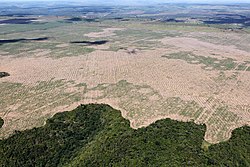
Deforestation of the Amazon rainforest in Brazil's Maranhão state, 2016
Deforestation or forest clearance is the removal and destruction of a forest or stand of trees from land that is then converted to non-forest use. Deforestation can involve conversion of forest land to farms, ranches, or urban use. About 31% of Earth's land surface is covered by forests at present. This is one-third less than the forest cover before the expansion of agriculture, with half of that loss occurring in the last century. On average 2,400 trees are cut down each minute. Estimates vary widely as to the extent of deforestation in the tropics. In 2019, nearly a third of the overall tree cover loss, or 3.8 million hectares, occurred within humid tropical primary forests. These are areas of mature rainforest that are especially important for biodiversity and carbon storage.
By far, the direct cause of most deforestation is agriculture. More than 80% of deforestation was attributed to agriculture in 2012. Forests are being converted to plantations for coffee, palm oil, rubber and various other popular products. Livestock grazing also drives deforestation. Further drivers are the wood industry (logging), urbanization and mining. The effects of climate change are another cause via the increased risk of wildfires (see deforestation and climate change).
Deforestation results in habitat destruction which in turn leads to biodiversity loss. Deforestation also leads to extinction of animals and plants, changes to the local climate, and displacement of indigenous people who live in forests. Deforested regions often also suffer from other environmental problems such as desertification and soil erosion. (Full article...)Summary of major environmental-change categories that cause biodiversity loss. The data is expressed as a percentage of human-driven change (in red) relative to baseline (blue), as of 2021. Red indicates the percentage of the category that is damaged, lost, or otherwise affected, whereas blue indicates the percentage that is intact, remaining, or otherwise unaffected.
Biodiversity loss happens when species disappear completely from Earth (extinction) or when there is a decrease or disappearance of species in a specific area. Biodiversity loss means that there is a reduction in biological diversity in a given area. The decrease can be temporary or permanent. It is temporary if the damage that led to the loss is reversible in time, for example through ecological restoration. If this is not possible, then the decrease is permanent. The cause of most of the biodiversity loss is, generally speaking, human activities that push the planetary boundaries too far. These activities include habitat destruction (for example deforestation) and land use intensification (for example monoculture farming). Further problem areas are air and water pollution (including nutrient pollution), over-exploitation, invasive species and climate change.
Many scientists, along with the Global Assessment Report on Biodiversity and Ecosystem Services, say that the main reason for biodiversity loss is a growing human population because this leads to human overpopulation and excessive consumption. Others disagree, saying that loss of habitat is caused mainly by "the growth of commodities for export" and that population has very little to do with overall consumption. More important are wealth disparities between and within countries. In any case, all contemporary biodiversity loss has been attributed to human activities.
Climate change is another threat to global biodiversity. For example, coral reefs—which are biodiversity hotspots—will be lost by the year 2100 if global warming continues at the current rate. Still, it is the general habitat destruction (often for expansion of agriculture), not climate change, that is currently the bigger driver of biodiversity loss. Invasive species and other disturbances have become more common in forests in the last several decades. These tend to be directly or indirectly connected to climate change and can cause a deterioration of forest ecosystems. (Full article...)
Global concentrations of health care resources, as depicted by the number of physicians per 10,000 individuals, by country. Data is sourced from a WHO indicator and is from 2017-2023.
Health care, or healthcare, is the improvement or maintenance of health via the prevention, diagnosis, treatment, amelioration or cure of disease, illness, injury, and other physical and mental impairments in people. Health care is delivered by health professionals and allied health fields. Medicine, dentistry, pharmacy, midwifery, nursing, optometry, audiology, psychology, occupational therapy, physical therapy, athletic training, and other health professions all constitute health care. The term includes work done in providing primary care, secondary care, tertiary care, mental health care and public health.
Access to health care may vary across countries, communities, and individuals, influenced by social and economic conditions and health policies. Providing health care services means "the timely use of personal health services to achieve the best possible health outcomes". Factors to consider in terms of health care access include financial limitations (such as insurance coverage), geographical and logistical barriers (such as additional transportation costs and the ability to take paid time off work to use such services), sociocultural expectations, and personal limitations (lack of ability to communicate with health care providers, poor health literacy, low income). Limitations to health care services affect negatively the use of medical services, the efficacy of treatments, and overall outcome (well-being, mortality rates).
Health systems are the organizations established to meet the health needs of targeted populations. According to the World Health Organization (WHO), a well-functioning health care system requires a financing mechanism, a well-trained and adequately paid workforce, reliable information on which to base decisions and policies, and well-maintained health facilities to deliver quality medicines and technologies. (Full article...)
Two Indian stamps which combine to symbolize gender equality
Gender equality, also known as sexual equality, gender egalitarianism, or equality of the sexes, is the state of equal ease of access to resources and opportunities regardless of gender, including economic participation and decision-making, and the state of valuing different behaviors, aspirations, and needs equally, also regardless of gender.
UNICEF (an agency of the United Nations) defines gender equality as "women and men, and girls and boys, enjoy the same rights, resources, opportunities and protections. It does not require that girls and boys, or women and men, be the same, or that they be treated exactly alike."
As of 2017,[update] gender equality is the fifth of seventeen sustainable development goals (SDG 5) of the United Nations; gender equality has not incorporated the proposition of genders besides women and men, or gender identities outside of the gender binary. Gender inequality is measured annually by the United Nations Development Programme's Human Development Reports. (Full article...)- Air pollution is the presence of substances in the air that are harmful to humans, other living beings or the environment. Pollutants can be gases, like ozone or nitrogen oxides, or small particles like soot and dust. Both outdoor and indoor air can be polluted.
Outdoor air pollution comes from burning fossil fuels for electricity and transport, wildfires, some industrial processes, waste management, demolition and agriculture. Indoor air pollution is often from burning firewood or agricultural waste for cooking and heating. Other sources of air pollution include dust storms and volcanic eruptions. Many sources of local air pollution, especially burning fossil fuels, also release greenhouse gases that cause global warming. However, air pollution may limit warming locally.
Air pollution kills 7 or 8 million people each year. It is a significant risk factor for a number of diseases, including stroke, heart disease, chronic obstructive pulmonary disease (COPD), asthma, coronavirus and lung cancer. Particulate matter is the most deadly, both for indoor and outdoor air pollution. Ozone affects crops, and forests are damaged by the pollution that causes acid rain. Overall, the World Bank has estimated that welfare losses (premature deaths) and productivity losses (lost labor) caused by air pollution cost the world economy over $8 trillion per year. (Full article...) 
Ocean acidification means that the average seawater pH value is dropping over time.
Ocean acidification is the ongoing decrease in the pH of the Earth's ocean. Between 1950 and 2020, the average pH of the ocean surface fell from approximately 8.15 to 8.05. Carbon dioxide emissions from human activities are the primary cause of ocean acidification, with atmospheric carbon dioxide (CO2) levels exceeding 422 ppm (as of 2024[update]). CO2 from the atmosphere is absorbed by the oceans. This chemical reaction produces carbonic acid (H2CO3) which dissociates into a bicarbonate ion (HCO−3) and a hydrogen ion (H+). The presence of free hydrogen ions (H+) lowers the pH of the ocean, increasing acidity (this does not mean that seawater is acidic yet; it is still alkaline, with a pH higher than 8). Marine calcifying organisms, such as mollusks and corals, are especially vulnerable because they rely on calcium carbonate to build shells and skeletons.
A change in pH by 0.1 represents a 26% increase in hydrogen ion concentration in the world's oceans (the pH scale is logarithmic, so a change of one in pH units is equivalent to a tenfold change in hydrogen ion concentration). Sea-surface pH and carbonate saturation states vary depending on ocean depth and location. Colder and higher latitude waters are capable of absorbing more CO2. This can cause acidity to rise, lowering the pH and carbonate saturation levels in these areas. There are several other factors that influence the atmosphere-ocean CO2 exchange, and thus local ocean acidification. These include ocean currents and upwelling zones, proximity to large continental rivers, sea ice coverage, and atmospheric exchange with nitrogen and sulfur from fossil fuel burning and agriculture.
A lower ocean pH has a range of potentially harmful effects for marine organisms. Scientists have observed for example reduced calcification, lowered immune responses, and reduced energy for basic functions such as reproduction. Ocean acidification can impact marine ecosystems that provide food and livelihoods for many people. About one billion people are wholly or partially dependent on the fishing, tourism, and coastal management services provided by coral reefs. Ongoing acidification of the oceans may therefore threaten food chains linked with the oceans. (Full article...)
Two men next to a pile of American bison skulls awaiting industrial processing and conversion into fertilizer in the United States, in 1892.
The Holocene or Anthropocene extinction is an ongoing extinction event caused by human activity during the current geological epoch, impacting diverse families of plants and animals, including mammals, birds, reptiles, amphibians, fish, and invertebrates, as well as both terrestrial and marine species. It is sometimes also called the sixth extinction (though this can also describe the Capitanian).
Current extinction rates are estimated at 100 to 1,000 times higher than natural background extinction rates. The Holocene extinction was preceded by the Late Pleistocene extinctions at the end of the last ice age (to which human activity also likely contributed) and the extinctions caused by Polynesian expansion.
The Holocene extinction continues into the 21st century, driven by anthropogenic climate change, destruction of wetlands, deforestation, overfishing, ocean acidification, human population growth, economic growth, and increasing consumption, particularly among affluent societies. Factors such as rising meat production and the destruction of critical habitats compound these issues. Other drivers include overexploitation of natural resources, pollution, and climate change-induced shifts in ecosystems. (Full article...)
Fruit and vegetables in a dumpster, discarded uneaten
Food loss and waste is food that is discarded or otherwise lost uneaten. This occurs throughout the food system, during production, processing, distribution, retail and food service sales, and consumption. Overall, about one-third of the world's food is thrown away, and a huge amount of resources used in food production are wasted. A 2021 meta-analysis by the United Nations Environment Programme estimated that global food waste amounted to 931 million tonnes annually (about 121 kg per person) across three sectors: 61 percent from households, 26 percent from food service and 13 percent from retail.
Food waste is addressed through prevention (e.g. by food preservation), reuse (e.g. food donation), animal feed, or recycling. Discarding food in landfills is to be avoided because it is a major source of the greenhouse gas methane. Reducing food waste in all parts of the food system is an important part of reducing the environmental impact of agriculture, by reducing the total amount of water, land, and other resources used.
Wasted food is a major part of the impact of agriculture on climate change (it amounts to 3.3 billion tons of carbon dioxide equivalent emissions annually) and other environmental issues, such as land use, water use and loss of biodiversity. It also conflicts with food insecurity in parts of the world. The UN's Sustainable Development Goals seek to "halve global per capita food waste at the retail and consumer levels and reduce food losses along production and supply chains, including post-harvest losses" by 2030. In the 2022 United Nations Biodiversity Conference nations agreed to reduce food waste by 50% by the year 2030. (Full article...)- Investment is traditionally defined as the "commitment of resources into something expected to gain value over time". If an investment involves money, then it can be defined as a "commitment of money to receive more money later". From a broader viewpoint, an investment can be defined as "to tailor the pattern of expenditure and receipt of resources to optimise the desirable patterns of these flows". When expenditures and receipts are defined in terms of money, then the net monetary receipt in a time period is termed cash flow, while money received in a series of several time periods is termed cash flow stream.
In finance, the purpose of investing is to generate a return on the invested asset. The return may consist of a capital gain (profit) or loss, realised if the investment is sold, unrealised capital appreciation (or depreciation) if yet unsold. It may also consist of periodic income such as dividends, interest, or rental income. The return may also include currency gains or losses due to changes in foreign currency exchange rates.
Investors generally expect higher returns from riskier investments. When a low-risk investment is made, the return is also generally low. Similarly, high risk comes with a chance of high losses. Investors, particularly novices, are often advised to diversify their portfolio. Diversification has the statistical effect of reducing overall risk. (Full article...) - Biotechnology risk is a form of existential risk from biological sources, such as genetically engineered biological agents. The release of such high-consequence pathogens could be
- deliberate (in the form of bioterrorism or biological weapons)
- accidental, or
- a naturally occurring event.
A chapter on biotechnology and biosecurity was included in Nick Bostrom's 2008 anthology Global Catastrophic Risks, which covered risks including viral agents. Since then, new technologies like CRISPR and gene drives have been introduced.
While the ability to deliberately engineer pathogens has been constrained to high-end labs run by top researchers, the technology to achieve this is rapidly becoming cheaper and more widespread. For example, the diminishing cost of sequencing the human genome (from $10 million to $1,000), the accumulation of large datasets of genetic information, the discovery of gene drives, and the discovery of CRISPR. Biotechnology risk is therefore a credible explanation for the Fermi paradox. (Full article...) - The Internet (or internet) is the global system of interconnected computer networks that uses the Internet protocol suite (TCP/IP) to communicate between networks and devices. It is a network of networks that comprises private, public, academic, business, and government networks of local to global scope, linked by electronic, wireless, and optical networking technologies. The Internet carries a vast range of information services and resources, such as the interlinked hypertext documents and applications of the World Wide Web (WWW), electronic mail, discussion groups, internet telephony, streaming media and file sharing.
Most traditional communication media, including telephone, radio, television, paper mail, newspapers, and print publishing, have been transformed by the Internet, giving rise to new media such as email, online music, digital newspapers, news aggregators, and audio and video streaming websites. The Internet has enabled and accelerated new forms of personal interaction through instant messaging, Internet forums, and social networking services. Online shopping has also grown to occupy a significant market across industries, enabling firms to extend brick and mortar presences to serve larger markets. Business-to-business and financial services on the Internet affect supply chains across entire industries.
The origins of the Internet date back to research that enabled the time-sharing of computer resources, the development of packet switching, and the design of computer networks for data communication. The set of communication protocols to enable internetworking on the Internet arose from research and development commissioned in the 1970s by the Defense Advanced Research Projects Agency (DARPA) of the United States Department of Defense in collaboration with universities and researchers across the United States, United Kingdom and France. (Full article...) 
Global distribution of dryland areas based on the aridity index computed over a 30-year average during 1981 to 2010. Typical deserts are indicated by the hyper-arid category (light yellow).
Desertification is a type of gradual land degradation of fertile land into arid desert due to a combination of natural processes and human activities.
The immediate cause of desertification is the loss of most vegetation. This is driven by a number of factors, alone or in combination, such as drought, climatic shifts, tillage for agriculture, overgrazing and deforestation for fuel or construction materials. Though vegetation plays a major role in determining the biological composition of the soil, studies have shown that, in many environments, the rate of erosion and runoff decreases exponentially with increased vegetation cover. Unprotected, dry soil surfaces blow away with the wind or are washed away by flash floods, leaving infertile lower soil layers that bake in the sun and become an unproductive hardpan.
At least 90% of the inhabitants of drylands live in developing countries, where they also suffer from poor economic and social conditions. This situation is exacerbated by land degradation because of the reduction in productivity, the precariousness of living conditions and the difficulty of access to resources and opportunities. (Full article...)
Anti Shein protest, Grenoble, France
Overconsumption describes a situation where consumers overuse their available goods and services to where they cannot, or do not want to, replenish or reuse them. In microeconomics, this is the point where the marginal cost of a consumer is greater than their marginal utility. The term overconsumption is quite controversial and does not necessarily have a single unifying definition. When used to refer to natural resources to the point where the environment is negatively affected, it is synonymous with the term overexploitation. However, when used in the broader economic sense, overconsumption can refer to all types of goods and services, including artificial ones, e.g., "the overconsumption of alcohol can lead to alcohol poisoning." Overconsumption is driven by several factors of the current global economy, including forces like consumerism, planned obsolescence, economic materialism, and other unsustainable business models, and can be contrasted with sustainable consumption.
Defining the amount of a natural resource required to be consumed for it to count as "overconsumption" is challenging because defining a sustainable capacity of the system requires accounting for many variables. A system's total capacity occurs at regional and worldwide levels, which means that specific regions may have higher consumption levels of certain resources than others due to greater resources without overconsuming a resource. A long-term pattern of overconsumption in any region or ecological system can cause a reduction in natural resources, often resulting in environmental degradation. However, this is only when applying the word to environmental impacts. When used in an economic sense, this point is defined as when the marginal cost of a consumer is equal to their marginal utility. Gossen's law of diminishing utility states that at this point, the consumer realizes the cost of consuming/purchasing another item/good is not worth the amount of utility (also known as happiness or satisfaction from the good) they had received, and therefore is not conducive to the consumer's wellbeing.
When used in the environmental sense, the discussion of overconsumption often parallels population size, growth, and human development: more people demanding a higher quality of living requires greater extraction of resources, which causes subsequent environmental degradation, such as climate change and biodiversity loss. Currently, the inhabitants of high-wealth, "developed" nations consume resources at a rate almost 32 times greater than those of the developing world, making up most of the human population (7.9 billion people). However, the developing world is a growing consumer market. These nations are quickly gaining more purchasing power. The Global South, which includes cities in Asia, America, and Africa, is expected to account for 56% of consumption growth by 2030, meaning that if current trends continue, relative consumption rates will shift more into these developing countries, whereas developed countries would start to plateau. Sustainable Development Goal 12, "responsible consumption and production", is the main international policy tool with goals to abate the impact of overconsumption. (Full article...)
Societal collapse (also known as civilizational collapse or systems collapse) is the fall of a complex human society characterized by the loss of cultural identity and of social complexity as an adaptive system, the downfall of government, and the rise of violence. Possible causes of a societal collapse include natural catastrophe, war, pestilence, famine, economic collapse, population decline or overshoot, mass migration, incompetent leaders, and sabotage by rival civilizations. A collapsed society may revert to a more primitive state, be absorbed into a stronger society, or completely disappear.
Virtually all civilizations have suffered such a fate, regardless of their size or complexity. Most never recovered, such as the Western and Eastern Roman Empires, the Maya civilization, and the Easter Island civilization. Some civilizations like ancient Greece have survived indirectly through other civilizations such as the West, while other ancient civilizations like Chinese civilization and Indian civilization have survived continuously to the present day.
Anthropologists, historians, and sociologists have proposed a variety of explanations for the collapse of civilizations involving causative factors such as environmental degradation, depletion of resources, costs of rising complexity, invasion, disease, decay of social cohesion, growing inequality, extractive institutions, long-term decline of cognitive abilities, loss of creativity, and misfortune. Complete extinction of a culture is not inevitable, and in some cases, the new societies that arise from the ashes of the old one are evidently its offspring, despite a dramatic reduction in sophistication. The influence of a collapsed society, such as the Western Roman Empire, may linger on long after its death. (Full article...)
Solid waste after being shredded to a uniform size
Waste are unwanted or unusable materials. Waste is any substance discarded after primary use, or is worthless, defective and of no use. A by-product, by contrast is a joint product of relatively minor economic value. A waste product may become a by-product, joint product or resource through an invention that raises a waste product's value above zero.
Examples include municipal solid waste (household garbage), hazardous waste, wastewater (such as sewage, which contains bodily wastes (feces and urine) and surface runoff), radioactive waste, and others. (Full article...)


.jpg)
_relative_to_baseline_-_fcosc-01-615419-g001.jpg)


.jpg)


Did you know...
- ... that Russian astrophysicist Inna Nikolaevna Leman-Balanovskaja was sentenced to five years in a Siberian labor camp as a result of false charges?
- ... that the 1962 space-age pop album Latin-esque was recorded with halves of the orchestra separated by almost a city block to heighten its stereo effects?
- ... that Apollo astronauts walked on walls before walking on the Moon?
- ... that, upon the death of Truganini, the Aboriginal population of Tasmania was declared to be extinct?
- ... that NASA promoted the "faster, better, cheaper" approach to spacecraft missions in the 1990s?
- ... that a 2018 film by David Wilcock has been described by Vice as making the case that space aliens "occupy large swaths of Antarctica [and] are massing for an invasion"?
- ... that Erna Meyer urged the Jewish immigrant readers of How to Cook in Palestine to try olives and eggplants, but doubted their ability to eat spicy food like the "native population"?
- ... that the writer of "Crabs for Christmas" joked that it contributed to Baltimore's population decline?
- ... that Frank W. Lehan invented a search-and-rescue system used in the Space Shuttle Challenger disaster, but never profited from it?
- ... that several parents opted against including their children's names on the New London Cenotaph, with the designers leaving blank spaces on the memorial to commemorate them?
- ... that 3.5% of a country's population can potentially change its government?
- ... that the LACE satellite tracked rocket plumes from space for the United States's Star Wars program?
- ... that to celebrate the 25th anniversary of Duster's Stratosphere, a vinyl copy of the album was launched into space?
- ... that field propulsion comprises types of spacecraft propulsion that move a ship without conventional rocket engines?
Need help?
Do you have a question about any subject that you can't find the answer to?
Consider asking it at the Wikipedia reference desk.
Selected images that captured my attention
 American astronaut Eugene Cernan (born March 14, 1934), shown here on the surface of the Moon during the Apollo 17 mission, the last time any human has set foot on it. In that final lunar landing mission, launched December 7, 1972, Cernan became "the last man on the moon" since he was the last to re-enter the Apollo Lunar Module during its third and final extra-vehicular activity. Prior to this, Cernan had also gone into space twice on the Gemini 9A and Apollo 10 missions.
 You are feeling very sleepy...
 The International Space Station (ISS) as seen from the Space Shuttle Endeavour. Zarya, the first module of the ISS launched in 1998, is seen in the foreground. Since then, twenty-six Space Shuttle flights have docked with the ISS to assemble various other modules and components, which include four pairs of solar arrays seen on each side.
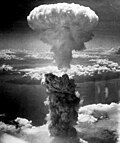 The mushroom cloud caused by the detonation of the "Fat Man" bomb during the atomic bombing of Nagasaki, Japan in 1945, rising approximately 18 kilometres (11 mi) above the hypocenter.
 A neutral density filter is a filter that reduces or modifies the intensity of all wavelengths or colors of light equally, giving no changes in hue of color rendition. The filter reduces the amount of light entering the lens, allowing the photographer to select combinations of aperture, exposure time and sensor sensitivity to avoid overexposed pictures. It would normally be attached to the lens, but is hand-held here to illustrate the effect.
 Astronaut Buzz Aldrin saluting the flag of the United States, part of the Lunar Flag Assembly, during Apollo 11. The Lunar Flag Assembly was designed to survive a Moon landing and to appear to "wave" as it would in a breeze on Earth. This flag fell over when the Lunar Module Eagle took off.
 View from Notre-Dame de Paris.
 aurora australis, as seen from the International Space Station. Aurorae are natural light displays in the sky caused by the collision of energetic charged particles with atoms in the high altitude thermosphere. The particles originate in the magnetosphere and solar wind and, on Earth, are directed by Earth's magnetic field into the atmosphere.
 A lava lake at Mount Nyiragongo, a volcano found in Virunga National Park in the Democratic Republic of the Congo. Lava lakes, which can form in three different ways, are large volumes of molten lava, usually basaltic, contained in a volcanic vent, crater, or broad depression. Persistent lava lakes such as the one at Nyiragongo, which is the largest to appear in recent times, are rare.
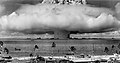 The "Baker" explosion, part of Operation Crossroads, a nuclear weapon test by the United States military at Bikini Atoll, Micronesia, on July 25, 1946. Its purpose was to test the effect of nuclear weapons on naval ships. It was the second US nuclear bomb set off since the bombing of Nagasaki.
 The sperm whale is the largest toothed animal on Earth. The species was hunted extensively by humans throughout history, until protected by a worldwide moratorium on whaling starting in 1985–86.
 The Leaning Tower of Pisa is the freestanding bell tower of the Cathedral of Pisa, Italy. The third oldest structure in the city's Square of Miracles, it is known worldwide for its unintended tilt. The tower's tilt began during construction in the 12th century, caused by an inadequate foundation on ground too soft on one side to properly support the structure's weight. The tilt gradually increased until the tower was stabilized (and the tilt partially corrected) by efforts in the late 20th and early 21st centuries. The tower, which measures 55.86 metres (183.27 feet) from the ground on the low side and 56.67 metres (185.93 feet) on the high side, has been listed as a UNESCO World Heritage Site since 1987.
 Atlantic White-sided Dolphins, on a concrete-floored dock at the port of Hvalba, which is in the Faroe Islands, north of the United Kingdom. Whaling in the Faroe Islands has been practised since at least the 10th century. It is strongly regulated by Faroese authorities and is approved by the International Whaling Commission.
 An animation of a cicada undergoing ecdysis, the molting of the exoskeleton in arthropods and related groups. Since the cuticula of these animals is inelastic, it is shed during growth and a new, larger covering is formed. The old, empty exoskeleton is called an exuvia. Within one or two hours, the cuticle hardens and darkens, during which time the animal grows, since growth is otherwise constrained by the rigidity of the exoskeleton. Each frame of this image was taken at one-minute intervals, with a 30-minute gap in middle while the cicada rested. The entire process took about 2 hours to complete.
 NGC 1300 is a barred spiral galaxy located roughly 69 million light-years away in the direction of the constellation Eridanus. In its core, the nucleus shows its own extraordinary and distinct "grand-design" spiral structure that is about 3,300 light-years long.
 The mushroom cloud from the Ivy Mike nuclear test, one of two tests conducted as part of Operation Ivy at the Pacific Proving Grounds on Elugelab in the Marshall Islands. Mike was the first successful full-scale test of a multi-megaton thermonuclear weapon, and it left an underwater crater 6,240 ft (1,900 m) wide and 164 ft (50 m) deep where the island had been.
 Crash landing of an F6F Hellcat into the port side 20mm gun gallery of the USS Enterprise, November 10, 1943. Lieutenant Walter L. Chewning, Jr., USNR, the Catapult Officer, is climbing up the plane's side to assist the pilot from the burning aircraft. The pilot, Ensign Byron M. Johnson, escaped without significant injury. Note the plane's ruptured belly fuel tank.
 Height comparison of notable statues: 1) Statue of Unity 240 m. 2) Spring Temple Buddha 153 m. 3) Statue of Liberty 93 m. 4) The Motherland Calls 91 m. 5) Christ the Redeemer 39.6 m. 6) Statue of David 5.17 m.
 The Door to Hell is a natural gas field in Derweze, Turkmenistan, which has been burning since 1971 when it was ignited by Soviet scientists who expected it to burn out within days. They were trying to prevent the release of poisonous gases. The name "Door to Hell" was given to the field by locals. The hot spots range over an area with a width of 60 metres (200 ft) and to a depth of about 20 metres (66 ft).
 Glaucus atlanticus is a species of small, blue sea slug. This pelagic aeolid nudibranch floats upside down, using the surface tension of the water to stay up, and is carried along by the winds and ocean currents. The blue side of their body faces upwards, blending in with the blue of the water, while the grey side faces downwards, blending in with the silvery surface of the sea. G. atlanticus feeds on other pelagic creatures, including the Portuguese man o' war.
 The Pinwheel Galaxy is a face-on spiral galaxy located 21 million light-years away in the constellation Ursa Major. It was first discovered by Pierre Méchain on March 27, 1781, and communicated to Charles Messier, who verified its position for inclusion in the Messier Catalogue as one of its final entries. This image, released on February 28, 2006, is composed of 51 individual exposures, as well as some extra ground-based photos. At the time of its release, it was the largest and most detailed image of a galaxy by the Hubble Space Telescope.
 United States Navy personnel engage in Special Patrol Insertion/Extraction (SPIE) training between a Sikorsky SH-60 Seahawk helicopter and the USS Dwight D. Eisenhower (CVN-69). SPIE involves either a person or goods being lowered from or raised to a helicopter via a cable above terrain on which landing would be difficult.
 San Francisco Bay shrouded in fog, as seen from the Marin Headlands looking east. The fog of San Francisco is a kind of sea fog, created when warm, moist air blows from the central Pacific Ocean across the cold water of the California Current, which flows just off the coast. The water is cold enough to lower the temperature of the air to the dew point, causing fog generation. In this photo, the towers of the Golden Gate Bridge can be seen poking through the fog, and the Bay Bridge is visible in the distance.
 One of two monkey selfies taken by Celebes crested macaques using equipment belonging to the British nature photographer David Slater. In mid-2014, the images' hosting on Wikimedia Commons was at the centre of a dispute over whether copyright could be held on artworks made by non-human animals. Slater argued that, as he had "engineered" the shot, he held copyright, while Wikimedia considered the photographs public domain on the grounds that they were made by an animal rather than a person. In December 2014, the United States Copyright Office stated that works by a non-human are not subject to US copyright, a view reaffirmed by a US federal judge in 2016.
 Devastation caused by Hurricane Katrina in New Orleans, Louisiana during 2005, shown here looking down on Interstate 10 at West End Boulevard towards Lake Pontchartrain. Over 1,800 people were confirmed dead with 705 still missing. It was the costliest Atlantic hurricane in history causing around $86 billion in damage. This photo shows flooded roadways as the United States Coast Guard conducted initial damage assessment overflights of New Orleans on Monday, August 29, 2005. The city flooded due primarily to the failure of the levee system. Many who remained in their homes had to swim for their lives, wade through deep water, or remain trapped in their attics or on their rooftops.
 Burj Khalifa is a skyscraper in Dubai, United Arab Emirates, and currently the tallest man-made structure in the world, at 829.8 m (2,722 ft). It was designed to be the centerpiece of a large-scale, mixed-use development known as Downtown Dubai. Construction took over five years, and the skyscraper was officially opened in January 2010.
 A man engaging in big wave surfing at Mavericks, located just north of Half Moon Bay, California. Big wave surfing is a discipline within surfing in which experienced surfers paddle into or are towed onto waves which are at least 20 ft (6.1 m) high, and is a hazardous activity, as surfers can be pushed far beneath the surface of the water after a wipeout.
 Sandboarding is a boardsport similar to snowboarding, but competitions take place on sand dunes rather than snow-covered mountains. Here, a member of the US Navy sandboards down a dune in Jebel Ali, Dubai.
 A swan created using modular origami, a paperfolding technique which uses two or more sheets of paper to create a larger and more complex structure than possible with single-piece origami techniques. Each individual sheet of paper is folded into a module, or unit, and then modules are assembled into an integrated flat shape or three-dimensional structure by inserting flaps into pockets created by the folding process. These insertions create tension or friction that holds the model together.
 Lucky Diamond Rich (b. 1971) is a New Zealand-born performance artist and street performer who holds the Guinness World Record for most tattooed man, taking the title from Tom Leppard in 2006. He is recognized by Guinness as being covered in tattoos over 100% of his body, including the inside of his eyelids, ears, and mouth.
 Crowds surrounding the Reflecting Pool, during the August 28 1963 March on Washington for Jobs and Freedom. An estimated 200,000 to 500,000 people participated in the march, which featured Martin Luther King Jr.'s famous "I Have a Dream" speech. It was a major factor leading to the passage of the Civil Rights Act of 1964 and the 1965 Voting Rights Act. The march was also condemned by the Nation of Islam and Malcolm X, who termed it the "farce on Washington".
 The 2004 Indian Ocean earthquake was a magnitude 9.15, undersea earthquake that occurred at 00:58:53 UTC on December 26 2004. The earthquake generated a tsunami that killed more than 150,000 people around the Indian Ocean, making it one of the deadliest disasters in modern history. This photograph shows the tsunami as it reached Ao Nang, Thailand.
 Imagine waking up to this. Which makes me wonder whatever happened to the guy who took this photo.
 The American Bison, or Buffalo, is the largest terrestrial mammal in North America, and once inhabited the Great Plains in massive herds. They were central to the lives of Native American tribes. This pile of bison skulls from the 1870s illustrates the extent of their slaughter in the 19th century by settlers: from a population of about 60 million in 1800 to as few as 750 in 1890. They have since been reintroduced into the wild and are no longer considered a high risk endangered species.
 The Aqueduct of Segovia is a Roman aqueduct located in Segovia, Spain that transports water from the Rio Frio. It is thought to have been constructed during the 1st century CE. One of the most significant and best-preserved ancient monuments left on the Iberian Peninsula, the aqueduct is considered a symbol of Segovia and is present on the city's coat of arms.
 A Marginated Tortoise hatchling.
 A dust storm rushes towards a military camp as it rolls over Al Asad Airbase, Iraq, just before nightfall on April 27, 2005. A dust storm (or sandstorm) is a meteorological phenomenon common in dry, arid and semi-arid regions, usually the result of convection currents created by intense heating of the ground. These currents then carry clouds of sand over large distances.
 The Hubble Extreme Deep Field is an image of a small area of space in the constellation Fornax released by NASA on September 25, 2012. The successor to the Hubble Ultra-Deep Field, this image was compiled from 10 years of previous images with a total exposure time of two million seconds, or approximately 23 days.
 An overhead view of Skylab, the United States' first space station, in Earth orbit as photographed from the Skylab 4 Command and Service Modules. Skylab 4 was the last mission to Skylab and brought back its final crew; this photograph was the last one taken of the station before the mission re-entered Earth's atmosphere and disintegrated in 1979.
 Tracy Caldwell Dyson in the Cupola module of the International Space Station, observing the Earth below during Expedition 24. Caldwell Dyson is an American chemist and astronaut. She was selected by NASA in 1998 and made her first spaceflight in August 2007 on the STS-118 mission aboard Space Shuttle Endeavour.
 The I-35W Mississippi River bridge was an eight-lane, steel truss arch bridge that carried Interstate 35W across the Saint Anthony Falls of the Mississippi River in Minneapolis, Minnesota. Once the third-busiest bridge in the state, it suddenly collapsed on August 1, 2007, killing 13 and injuring 145. Rescue of people stranded on the bridge was complete in three hours, while recovery of bodies—involving 75 local, state and federal agencies—took three weeks. An NTSB investigation cited a design flaw as the likely cause of the collapse, noting that a too-thin gusset plate ripped along a line of rivets.


_on_10_November_1943_(80-G-205473).jpg)
.svg)


.jpg)


.png)


_edit.jpg)
Trump news tracker
- 16 March 2026 – Middle Eastern crisis
- Several NATO allies of the United States, including Germany, Italy, and Spain, rule out sending warships to lift the blockade of the Strait of Hormuz following a request from U.S. president Donald Trump. (Reuters)
- 15 March 2026 – 2026 FIFA World Cup
- Asian Football Confederation secretary general Windsor John says that the Iran national football team will still play at the upcoming FIFA World Cup despite remarks from U.S. President Donald Trump that their safety could be at risk. (The Independent)
- 14 March 2026 – Middle Eastern crisis
- United States president Donald Trump calls on the country's allies to help lift the Iranian blockade of the Strait of Hormuz. (BBC News)
- 13 March 2026 – Middle Eastern crisis
- United States president Donald Trump says that U.S. forces conducted airstrikes on military targets on Kharg Island, Iran, and warns that the U.S. may also target the island's oil infrastructure if shipping through the Strait of Hormuz is disrupted. (AFP via ABS-CBN News)
- 10 March 2026 – 2026 Strait of Hormuz crisis, Economic impact of the 2026 Iran war
- The price of West Texas Intermediate crude oil rises by more than five percent to US$87.65 per barrel after United States president Donald Trump escalated threats related to the Strait of Hormuz. (AFP via SpaceWar.com)
- 9 March 2026 – Economic impact of the 2026 Iran war
- The Dow Jones Industrial Average and S&P 500 rises after United States president Donald Trump says that the war in Iran is “very complete”, hinting that it could end soon. Additionally, oil prices have dipped under $100 following his remarks. (CNBC) (Semafor)
- 7 March 2026 – Shield of the Americas
- United States president Donald Trump meets with leaders from twelve American countries for the launching of a new multinational military cooperation initiative called Shield of the Americas, led by special envoy Kristi Noem. (Bloomberg).
- 6 March 2026 – Middle Eastern crisis
- United States president Donald Trump calls for the "unconditional surrender" of Iran, saying there will be no deal or further talks. This comes after Iranian president Masoud Pezeshkian says that several countries have initiated mediation efforts to end the war. (BBC News)
- 6 March 2026 – Immigration policy of the second Trump administration
- A United States appeals court declines to allow Donald Trump's administration to end temporary protected status for more than 350,000 Haitian nationals, leaving in place a lower court order that blocks the policy while the case proceeds. (Reuters)
- 5 March 2026 – Middle Eastern crisis
- United States president Donald Trump says U.S. Air Force jets will provide "extensive air cover" for Kurdish forces in any ground offensive against the Iranian government. (The Telegraph)
- 5 March 2026 – Tariffs in the second Trump administration
- Around 24 U.S. states file a lawsuit against the Trump administration after president Trump imposed a 10% global tariff, the first lawsuit challenging those tariffs. (Reuters)
- 5 March 2026 – Second cabinet of Donald Trump
- U.S. president Donald Trump dismisses Kristi Noem as Secretary of Homeland Security and nominates Oklahoma senator Markwayne Mullin to replace her. (The Independent)
Interests

- Select [►] to view subcategories
Associated Wikimedia
The following Wikimedia Foundation sister projects provide more on this subject:
-
 Commons
Free media repository -
 Wikibooks
Free textbooks and manuals -
 Wikidata
Free knowledge base -
 Wikinews
Free-content news -
 Wikiquote
Collection of quotations -
 Wikisource
Free-content library -
 Wikiversity
Free learning tools -
 Wiktionary
Dictionary and thesaurus


