
1928 Argentine general election
From Wikipedia, the free encyclopedia
General elections were held in Argentina on 1 April 1928. Hipólito Yrigoyen of the Radical Civic Union (UCR) was elected president, with the UCR also gaining a majority of seats in the Chamber of Deputies. Voter turnout was 81%.

 | |||||||||||||||||||||||
1 April 1928
| |||||||||||||||||||||||
|
| |||||||||||||||||||||||
Presidential election | |||||||||||||||||||||||
376 members of the Electoral College 189 votes needed to win | |||||||||||||||||||||||
|---|---|---|---|---|---|---|---|---|---|---|---|---|---|---|---|---|---|---|---|---|---|---|---|
| Registered | 1,807,566 | ||||||||||||||||||||||
| Turnout | 80.86% | ||||||||||||||||||||||
| |||||||||||||||||||||||
 Results by province | |||||||||||||||||||||||
| |||||||||||||||||||||||
80 of the 158 seats in the Chamber of Deputies | |||||||||||||||||||||||
| Turnout | 83.12% | ||||||||||||||||||||||
This lists parties that won seats. See the complete results below.
| |||||||||||||||||||||||

Background

Former President Hipólito Yrigoyen's differences with his successor and erstwhile ally, Marcelo Torcuato de Alvear, persuaded him to campaign for the presidency again. Doing so meant overcoming a host of obstacles, however: his "Antipersonalist" opposition within the UCR, though divided, eroded his allies' majority in Congress from 91 seats (out of 158) to 72 in 1924 and 60 in 1926,[1] and he himself was 78 and in declining health.
These developments encouraged not only the Antipersonalists, but also conservatives, who united behind Julio A. Roca's Rightist Confederation. The Governor of the important Córdoba Province, Roca was the son of General Julio Roca, who had dominated the country politically between 1880 and 1906 and, in the minds of their supporters, recalled a certain nostalgia for the pastoral Argentina of the time. President Alvear's Antipersonalist UCR nominated the leader of the 1924 dissension that created the movement, Senator Leopoldo Melo. Melo underscored the conservative bent of his campaign by naming Senator Vicente Gallo as his running mate; Gallo was a founding member of the paramilitary Argentine Patriotic League, and had resigned as President Alvear's Interior Minister after unsuccessfully lobbying to have a pro-Yrigoyen governor removed.[2]
The Socialists, who vied for the majority in the Buenos Aires City Legislature (but had little following elsewhere), themselves balked at the possibility of victory in 1928 and split during their 1927 convention over Senator Juan B. Justo's intransigent leadership of the party. Senator Justo died suddenly in January 1928, and the party presented two tickets: the Authentic Socialists, led by Congressman Mario Bravo and running only in the City of Buenos Aires, and the more conservative Independent Socialists, led Justo's running-mate, former University of La Plata Director José Nicolás Matienzo.[3]
Election night was a referendum on the charismatic Yrigoyen, as well as on the largely positive memories voters had of his 1916â1922 term. Yrigoyen had further built on this sentiment by focusing debate in the closing days of the campaign on the future of YPF, thereby presenting himself as its best defense against the oil concern's chief antagonist, Standard Oil. His ticket swept the polls, recovering the majority it enjoyed in the Lower House in the early 1920s (with 53 of 79 seats at stake), and winning 5 of 10 contested Senate seats. His faction won majorities in all major districts: the City of Buenos Aires, and in Buenos Aires, Córdoba and Santa Fe Provinces (the latter two had been in opposition hands since 1920 and 1918, respectively). Mendoza Province, which remained in the reformist former Governor Carlos Washington Lencinas' Dissident UCR column, continued to be denied its two senators by the body, itself.[4]
Bravo's Authentic Socialists lost to Matienzo's splinter ticket (though only an endorsement by San Juan Governor Federico Cantoni gave the latter 3 electoral votes).[3] Roca's Unified Front, which lost in their home province of Córdoba, had endorsed the Antipersonalist UCR Melo-Gallo ticket, and pledged their 20 electors to the latter in a symbolic alliance. Minor and provincial parties, for their part, opted instead to abstain from casting most of their combined 84 electoral votes, thereby creating the largest such deficit in the history of the Argentine Electoral College (abolished in 1994 by the constitutional convention held that year). Yrigoyen's running mate, Francisco Beiró, died before taking office, and Córdoba Governor Enrique MartÃnez was elected to the post by the electoral college.[5] Yrigoyen was sworn in on October 12, 1928.
Candidates
- Radical Civic Union (populist): Former President Hipólito Yrigoyen of the city of Buenos Aires
- Antipersonalist Radical Civic Union/United Front (center-right): Senator Leopoldo Melo of Entre RÃos Province
- Socialist Party: Senator Mario Bravo of Tucumán Province
- Independent Socialist Party: Former Minister of Labor José Nicolás Matienzo of Buenos Aires Province
 Yrigoyen
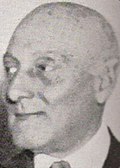 Melo
Melo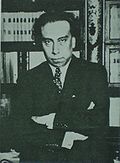 Bravo
Bravo Matienzo


Results
President
| Candidate | Running mate | Party or alliance | Public vote | Electoral vote | |||||
|---|---|---|---|---|---|---|---|---|---|
| Votes | % | Votes | % | ||||||
| Hipólito Yrigoyen | Francisco Beiró | Radical Civic Union | 839,140 | 61.42 | 249 | 66.22 | |||
| Leopoldo Melo | Vicente Gallo | Confederation of the Right | Antipersonalist Radical Civic Union | 155,371 | 11.37 | 40 | 10.64 | ||
| United Front | 89,249 | 6.53 | 20 | 5.32 | |||||
| Conservative Party | 73,048 | 5.35 | 29 | 7.71 | |||||
| Unified Radical Civic Union | 47,412 | 3.47 | 14 | 3.72 | |||||
| Lencinist Radical Civic Union | 20,166 | 1.48 | 5 | 1.33 | |||||
| Blockist Radical Civic Union | 16,379 | 1.20 | 7 | 1.86 | |||||
| Liberal Party of Tucumán | 15,718 | 1.15 | 6 | 1.60 | |||||
| Liberal Democratic Party | 11,300 | 0.83 | 3 | 0.80 | |||||
| Liberal Party of Mendoza | 1,407 | 0.10 | 0 | 0.00 | |||||
| Total | 430,050 | 31.48 | 124 | 32.98 | |||||
| Mario Bravo | Nicolás Repetto | Socialist Party | 67,423 | 4.94 | |||||
| No candidate | No candidate | Democratic Progressive Party | 14,173 | 1.04 | |||||
| José Nicolás Matienzo | Manuel Carlés | Dissident Radicalism | Radical Civic Union â Railway to Jáchal | 3,218 | 0.24 | 3 | 0.80 | ||
| Radical Civic Union â Railway to Calingasta | 2,782 | 0.20 | |||||||
| Total | 6,000 | 0.44 | |||||||
| Rodolfo Ghioldi | Miguel Contreras | Communist Party of Argentina | 4,658 | 0.34 | |||||
| José Fernando Penelón | Florindo Moretti | Communist Party of the Argentine Republic | 1,286 | 0.09 | |||||
| No candidate | No candidate | Communist Workers' Party | 493 | 0.04 | |||||
| No candidate | No candidate | Others | 2,996 | 0.22 | |||||
| Total | 1,366,219 | 100.00 | 376 | 100.00 | |||||
| Valid votes | 1,366,219 | 93.47 | |||||||
| Invalid/blank votes | 95,386 | 6.53 | |||||||
| Total votes | 1,461,605 | 100.00 | |||||||
| Registered voters/turnout | 1,807,566 | 80.86 | |||||||
| Source: Cantón,[6] Ministry of the Interior,[7] Diario Santa Fe[8] | |||||||||
Chamber of Deputies
.svg) | ||||||||||
|---|---|---|---|---|---|---|---|---|---|---|
| Party or alliance | Votes | % | Seats | |||||||
| Won | Total | |||||||||
| Radical Civic Union | 751,044 | 56.89 | 53 | 89 | ||||||
| Confederation of the Right | Unified Radical Civic Union | 70,400 | 5.33 | 4 | 12 | |||||
| United Front | 67,350 | 5.10 | 0 | 0 | ||||||
| Conservative Party | 65,101 | 4.93 | 8 | 15 | ||||||
| Antipersonalist Radical Civic Union | 59,144 | 4.48 | 1 | 8 | ||||||
| Democratic Party of Córdoba | 32,454 | 2.46 | 3 | 6 | ||||||
| Autonomist Party of Corrientes | 24,871 | 1.88 | 2 | 3 | ||||||
| Lencinist Radical Civic Union | 20,287 | 1.54 | 1 | 1 | ||||||
| Liberal Party of Corrientes | 15,739 | 1.19 | 0 | 2 | ||||||
| Liberal Party of Tucumán | 14,886 | 1.13 | 1 | 4 | ||||||
| Liberal Democratic Party | 11,255 | 0.85 | 1 | 1 | ||||||
| Liberal Party of Mendoza | 1,974 | 0.15 | 0 | 1 | ||||||
| Blockist Radical Civic Union | â | 2 | ||||||||
| Provincial Union | â | 2 | ||||||||
| Total | 383,461 | 29.05 | 21 | 57 | ||||||
| Socialist Party | 70,023 | 5.30 | 0 | 4 | ||||||
| Independent Socialist Party | 51,273 | 3.88 | 6 | 6 | ||||||
| Democratic Progressive Party | 15,328 | 1.16 | 0 | 0 | ||||||
| Communist Party of Argentina | 4,248 | 0.32 | 0 | 0 | ||||||
| Public Health Party | 3,538 | 0.27 | 0 | 0 | ||||||
| Communist Party of the Argentine Republic | 2,082 | 0.16 | 0 | 0 | ||||||
| Independent Workers' Party | 1,506 | 0.11 | 0 | 0 | ||||||
| Communist Workers' Party | 676 | 0.05 | 0 | 0 | ||||||
| National Feminist Party | 215 | 0.02 | 0 | 0 | ||||||
| Labor Party | 114 | 0.01 | 0 | 0 | ||||||
| Independents | 36,611 | 2.77 | 0 | 0 | ||||||
| Vacant | â | 2 | ||||||||
| Total | 1,320,119 | 100.00 | 80 | 158 | ||||||
| Valid votes | 1,320,119 | 94.75 | ||||||||
| Invalid/blank votes | 73,197 | 5.25 | ||||||||
| Total votes | 1,393,316 | 100.00 | ||||||||
| Registered voters/turnout | 1,676,217 | 83.12 | ||||||||
| Source: Cantón,[6] Chamber of Deputies,[9][10][11][12][13][14][15][16][17][18] El Orden,[19][20] CrÃtica[21] | ||||||||||