Seal of Palau
National seal of the Republic of Palau
From Wikipedia, the free encyclopedia
The Seal of Palau depicts a traditional meeting center. The executive seal, used by overseas missions and by the nation's president, is also of a similar design.

Shielda disk shows the traditional bai, a meeting-house, stands on sixteen stones and the flag on the flagstaff with the Name of the Emblem itself: "OFFICIAL SEAL" and the year "1981" under the stones[1]
MottoOlbiil era Kelulau
The House of the whispered decisions
Republic of Palau
The House of the whispered decisions
Republic of Palau
Other elementsthe Bai is surrounded by two names: in above, the Name of the National Congress of Palau, known as: "OLBIIL ERA KELULAU" (In Palauan for, "THE HOUSE OF THE WHISPERED DECISIONS") and the Name of the State in below
| Seal of Palau | |
|---|---|
 | |
| Armiger | Republic of Palau |
| Shield | a disk shows the traditional bai, a meeting-house, stands on sixteen stones and the flag on the flagstaff with the Name of the Emblem itself: "OFFICIAL SEAL" and the year "1981" under the stones[1] |
| Motto | Olbiil era Kelulau The House of the whispered decisions Republic of Palau |
| Other elements | the Bai is surrounded by two names: in above, the Name of the National Congress of Palau, known as: "OLBIIL ERA KELULAU" (In Palauan for, "THE HOUSE OF THE WHISPERED DECISIONS") and the Name of the State in below |
The seal also resembles the seal of the Trust Territory of the Pacific Islands, the governing body which formerly controlled Palau.
Historical coats of arms
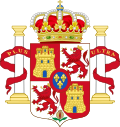 Coat of arms of Spain, until 1899
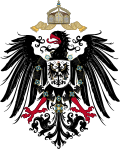 Coat of arms of the German Empire, 1899–1914
 Proposed arms of German New Guinea, 1914
 Emblem of Imperial Japan, 1914–1944
 Emblem of the South Seas Mandate
 Coat of arms of the United States, 1944–1981
 Emblem of the United Nations, 1947–1965
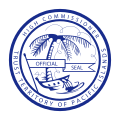 Emblem of the Trust Territory of the Pacific Islands, 1965–1980
_Pillars_of_Hercules_Variant.svg)


